
Summer puts furniture through more than most people realize. Sofas and chairs absorb sunscreen, lake water, sweat, pollen, pet hair, and the occasional spilled drink, and most of it settles deep into the fabric instead of sitting on top where a vacuum can reach it. By late August, a couch that looked fine in June can feel gritty, smell faintly stale, and show dark patches along the arms and headrest. 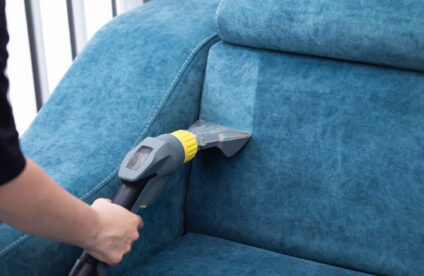
That is usually when homeowners start looking into upholstery cleaning. Furniture is one of the bigger investments in a house, and cushions that hold odor and soil do not get better on their own. Knowing what causes the buildup, how often furniture should be cleaned, and what a professional service actually does makes it much easier to decide when to schedule the work.
Why Summer Is Hard on Upholstered Furniture
Warm months bring more traffic through the house and more of the outdoors with it. Screen doors stay open, kids move between the yard and the living room, and guests come and go all weekend. Sand, grass clippings, and fine dust ride in on clothing and settle into seat cushions.
Humidity makes it worse. Damp fabric holds odor longer, and moisture trapped in cushion foam gives spills a chance to sour instead of drying out. Sunscreen and bug spray are the two biggest offenders because both contain oils that bond to fibers and attract new soil every time someone sits down. Pet dander and body oils add another layer. None of it looks dramatic on day one, but it accumulates through the season and eventually leaves furniture looking dull and feeling stiff.
For anyone who has scrubbed at a stain for twenty minutes and watched it reappear a day later, that frustration is real, and it usually means the soil is deeper in the cushion than a surface cleaner can reach.
How Often Should You Schedule Upholstery Cleaning?
There is no single answer, but a few general guidelines hold up well:
- Every 12 to 18 months for furniture in a low-traffic room with no pets or kids
- Every 6 to 12 months for a main living room sofa that gets daily use
- Every 6 months or so for homes with pets, allergy sufferers, or heavy summer guest traffic
- Right away after a spill that soaked through the fabric or an odor that will not fade
Vacation homes and rental properties often need upholstery cleaning on a tighter schedule than a primary residence, simply because more people cycle through in a short window. Fabric on a rental sofa can take a full year of wear in one busy summer.
What Professional Upholstery Cleaning Involves
Most people picture a machine and some soap. The actual process has more steps, and those steps protect the furniture.
Inspection and Fabric Identification
A technician checks the manufacturer tag, tests the fabric in a hidden spot, and notes existing wear, pilling, or color loss. This determines the cleaning method. A synthetic blend and a natural fiber like linen or cotton respond differently to moisture, and the wrong approach can cause shrinkage or watermarks.
Dry Soil Removal
Before any liquid touches the cushion, loose soil comes out with thorough vacuuming and fiber agitation. Skipping this step turns dry dirt into mud that spreads instead of lifting out.
Pretreatment and Spot Work
Oily areas such as headrests and armrests get a targeted pretreatment and a few minutes of dwell time so the solution can break down the residue. Individual spots get separate attention, because a spot with a different source than the general soil usually needs a different product.
Extraction and Controlled Drying
The cleaning solution and the suspended soil come out together with extraction equipment, and airflow is managed so the cushions dry evenly. Controlled drying matters more than most homeowners expect. Fabric left damp in humid weather can develop odor within a day, so keeping fans moving and doors open until the furniture is dry is part of a proper job.
Things You Can Do Between Professional Visits
Regular maintenance stretches the time between deep cleanings and keeps furniture looking better year-round.
- Vacuum cushions, crevices, and the back of the sofa weekly with an upholstery attachment
- Blot spills immediately with a white cloth instead of rubbing, which pushes the spill deeper
- Rotate and flip reversible cushions so wear spreads evenly.
- Keep throw blankets on the spots where pets sleep and wash them often.
- Set a rule about lake towels and wet swimsuits staying off the good furniture.
- Close blinds on windows that get long stretches of direct sun, since UV fades fabric permanently
Skip the mystery cleaning products. Household sprays and homemade mixes often leave a sticky residue that attracts soil faster than before, and some bleach fabric dye without any warning. When in doubt, blot with plain water and let a professional handle the rest.
Signs It Is Time to Call Someone
A few clear signals mean furniture needs more than a vacuum:
- Dark shiny patches on arms or headrests where skin contact is heaviest
- An odor that returns a few hours after you air out the room
- Sneezing or congestion that gets worse when someone sits on a particular piece
- Fabric that feels stiff, tacky, or gritty
- A spill that has already been treated once and keeps coming back
Any of these are worth acting on sooner rather than later. Soil that sits in fabric for months acts like sandpaper between the fibers, and that wear cannot be reversed later with upholstery cleaning or anything else.
Furniture cleaning also pairs well with other work around the house. Many homeowners schedule upholstery cleaning at the same time as their carpet and area rug cleaning so the whole room gets refreshed in one visit, and offices often add commercial cleaning before a busy season. Households with animals may also want to consider pet odor control, since odor trapped in cushions usually needs a different treatment than a surface stain, and anyone sensitive to airborne irritants can pair furniture work with an allergy-season deep clean.
Upholstery Cleaning in Oakland, MD
Furniture takes a beating through a busy summer, and the buildup that comes with it is easier to remove before it settles in for another year. Professional upholstery cleaning pulls out the soil, oils, and odor that home methods leave behind, using methods matched to the fabric. As a result, the furniture comes back in the best possible condition. With over two decades of experience serving Garrett County and the surrounding area, our locally owned team knows how to treat the range of fabrics found in homes here, from everyday family sofas to delicate pieces that need a lighter touch.
If your cushions are holding odor or your sofa has lost its color and texture, our team at NuWay Restoration & Cleaning is ready to help. Call us today to schedule upholstery cleaning and get your furniture feeling fresh again.