
February in Oakland, MD, has a way of keeping things damp. Between melting snow, cold temperatures, and homes staying sealed up tight, it’s basically mold’s favorite season to move in quietly and make itself at home. And the tricky part? Mold is really good at hiding. In fact, most homeowners don’t see mold until it’s already been hanging around for a while. That’s why knowing where it likes to lurk can save you a lot of stress, money, and headaches later on. Let’s take a walk through the most common hiding spots for mold in our homes and what to watch for. 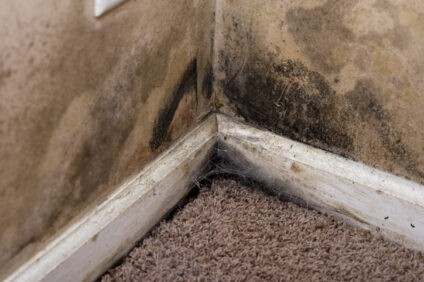
Basements and Crawl Spaces
If your home had a mold VIP lounge, it would probably be your basement. Oakland homes often have basements or crawl spaces that stay cool and humid, especially in winter. Add in minor foundation leaks, condensation, or poor ventilation, and you’ve got prime real estate for mold growth.
Red flags to watch for:
- Musty or earthy smells
- White, green, or black patches on walls or joists
- Warped wood or damp insulation
Even finished basements aren’t immune. Mold can grow behind drywall or under flooring long before you see it, often requiring mold remediation services to remove it.
Bathrooms (Not Just the Obvious Spots)
Yes, mold loves showers. But it also loves the less obvious bathroom areas. We’re talking behind toilets, under vanities, inside exhaust fan housings, and even behind wall tiles. If moisture doesn’t dry out quickly, mold doesn’t need much of an invitation.
Common troublemakers:
- Poor ventilation
- Leaky plumbing connections
- Grout or caulk that stays damp
If your bathroom fan sounds like it’s working overtime but still doesn’t clear steam, mold may already be getting comfortable in there. A mold remediation services professional can take a look for you to make sure that mold isn’t the culprit.
Kitchens and Under Sinks
That small drip under your kitchen sink that’s gone unnoticed by you for who knows how long? Mold notices that kind of thing. Leaks from sink traps, dishwasher lines, or refrigerator water hookups can slowly soak cabinets and flooring. Since these areas are usually closed off, mold can grow undisturbed for months.
Check these areas regularly:
- Under the sink
- Behind dishwashers
- Around refrigerator water lines
If you spot bubbling cabinet material or smell something “off,” it’s time to call a mold remediation professional to look closer. Don’t ignore these areas, as the longer the problem goes unresolved, the worse the mold issue becomes.
Attics and Rooflines
Attics are sneaky mold zones, especially during Maryland winters. Warm air from inside your home rises and meets cold attic temperatures, causing condensation. If your attic has poor ventilation or a small roof leak, moisture can build up fast, creating the perfect breeding ground for mold.
Mold-friendly attic issues include:
- Ice dams
- Roof leaks
- Improper insulation or venting
Because attics aren’t visited often, mold can spread extensively before anyone realizes there’s a problem. It may seem like a pain to regularly check your attic, but trust us; a quick visit up there every couple of months is much less painful than a full-blown mold remediation because of a problem that went unnoticed.
Behind Drywall and Inside Walls
This is where mold really shows off its stealth skills. Any past water damage (from burst pipes, appliance leaks, or storm-related moisture) can leave behind damp drywall. Mold thrives in dark, enclosed spaces, and wall cavities are perfect.
Possible warning signs:
- Discoloration or stains on the walls
- Peeling paint or bubbling drywall
- Persistent musty smells
If mold is inside the walls, professional mold remediation services are essential. DIY fixes won’t cut it here.
HVAC Systems and Air Ducts
If mold gets into your HVAC system, it doesn’t stay put there. Moisture from condensation inside air handlers or ductwork can allow mold to grow and then circulate spores throughout your home every time the system runs.
Watch out for:
- Moldy odors when heat turns on
- Visible growth near vents
- Increased allergy-like symptoms indoors
This is one of those situations where professional mold remediation help is a must, since improper cleaning can spread spores even further.
Windows, Doors, and Window Sills
Cold winters mean condensation around windows is common. Unfortunately, mold loves that constant moisture. Over time, condensation can soak into wooden frames, drywall, and insulation around windows.
Signs mold may be settling in:
- Black or dark spots around frames
- Soft or rotting wood
- Peeling paint
Keeping humidity levels balanced and addressing condensation early can help prevent growth here, which could save you from needing mold remediation services.
Mold Remediation Services – Oakland, MD
Mold doesn’t just look unpleasant, but it can also affect indoor air quality and cause long-term damage to your home if left untreated. The longer it hides, the harder (and more expensive) it can be to remove. That’s why professional mold remediation services in Oakland, MD, are so important. Trained specialists know exactly where to look, how to contain the problem, and how to safely remove mold without spreading it to other areas of your home. To learn more or schedule an inspection, contact NuWay Restoration & Cleaning, your trusted local experts in mold remediation and property restoration.